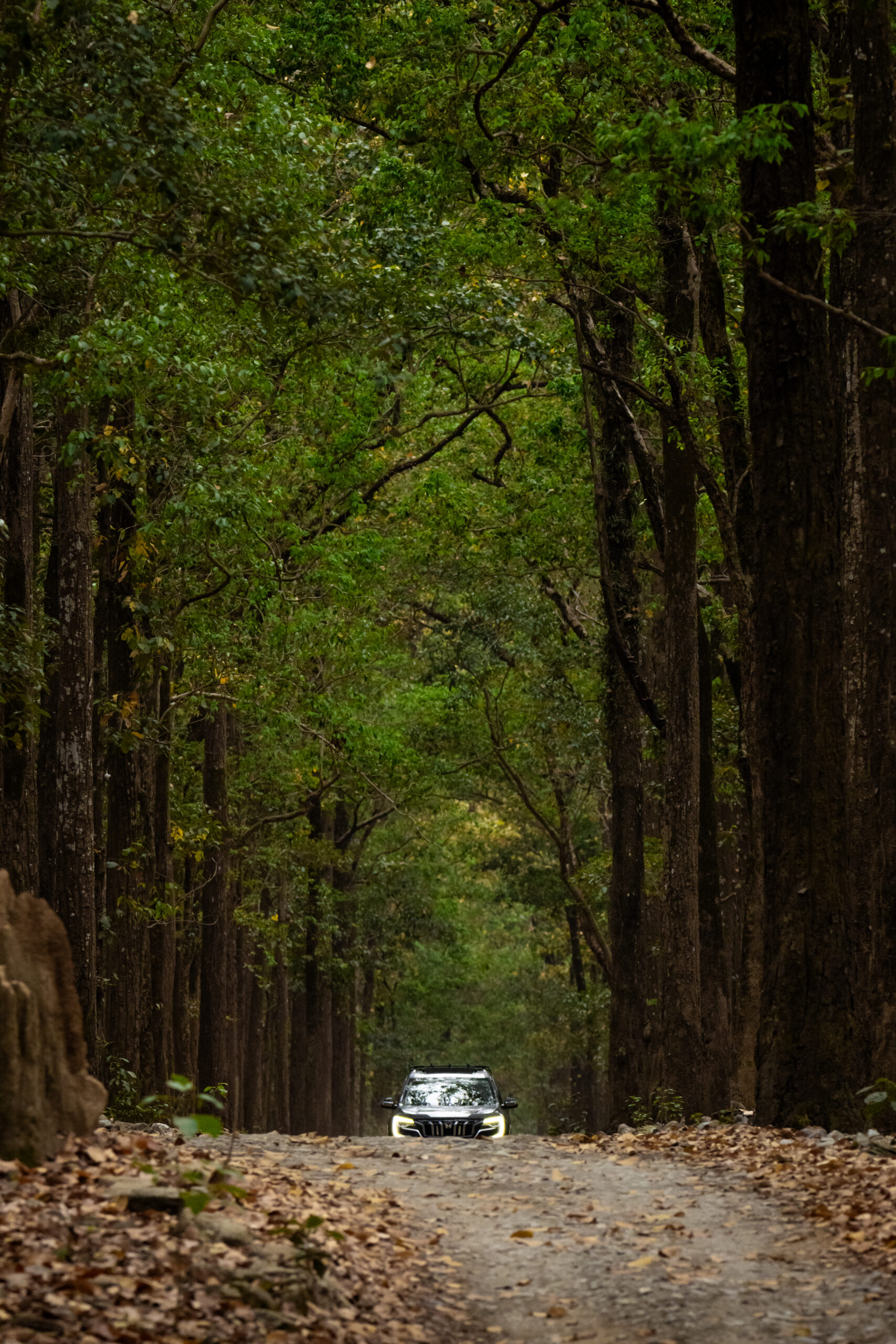
Jim Corbett National Park, Uttarakhand
Exploring Jim Corbett National Park: Wildlife & Bird Photography Experience
I visited Jim Corbett National Park in the first week of April 2026 for a long-awaited wildlife photography trip. My journey began from Kannauj, where I first traveled to Lucknow on a Friday evening. From Lucknow, I boarded a night train to Rampur, and from there I reached Dhikuli village near Jim Corbett National Park via local taxi. As I entered the forest region, the environment changed completely, and I could already feel the raw presence of nature all around me.
I reached Jim Corbett on Saturday, and on the same day I went for a daytime safari in the Mohan Zone. This was my first real experience inside the forest, and it was full of excitement and anticipation. The dense jungle, natural silence, and unpredictable wildlife movements made the safari truly memorable. On the same day, I stayed near the forest area, which gave me a deep and peaceful connection with nature during the night.
On Sunday, I completed the remaining safaris of my trip across two different zones. These safaris covered the rest of my planned itinerary and gave me a more complete experience of Jim Corbett’s ecosystem. Each zone had its own unique character, from dense forest cover to open sightings and rich birdlife, making the entire journey diverse and rewarding.
During this trip, I did not have any tiger sightings, which is always a matter of luck in wildlife photography. However, the birdlife made the experience extremely special. I witnessed several remarkable species, including the Asian Paradise Flycatcher, which was the most memorable sight of my entire journey. Seeing it in flight was an unforgettable moment. I also observed hornbills, serpent eagles, shikras, and many other bird species, each adding depth to my wildlife experience.
One of the highlights of the trip was an elephant sighting in the Phato Zone, which also became the subject of one of my favorite photographs from this journey. For this trip, I used my Canon EOS R7 camera with a Tamron 150–600mm lens, which performed very well in capturing wildlife and bird moments in challenging forest conditions.
Overall, I completed three safaris during this trip, and the total cost, including travel, stay, and safaris, was approximately ₹24,000 to ₹25,000. The most special moment of the entire journey was capturing the Asian Paradise Flycatcher in flight, which made all the effort worthwhile.
Jim Corbett National Park is not just a travel destination for me; it is an experience that strengthens my connection with nature and wildlife photography. Every visit teaches patience, observation, and respect for the wild.